
Best 7 Revenue Intelligence Solutions for Technical Sales Teams
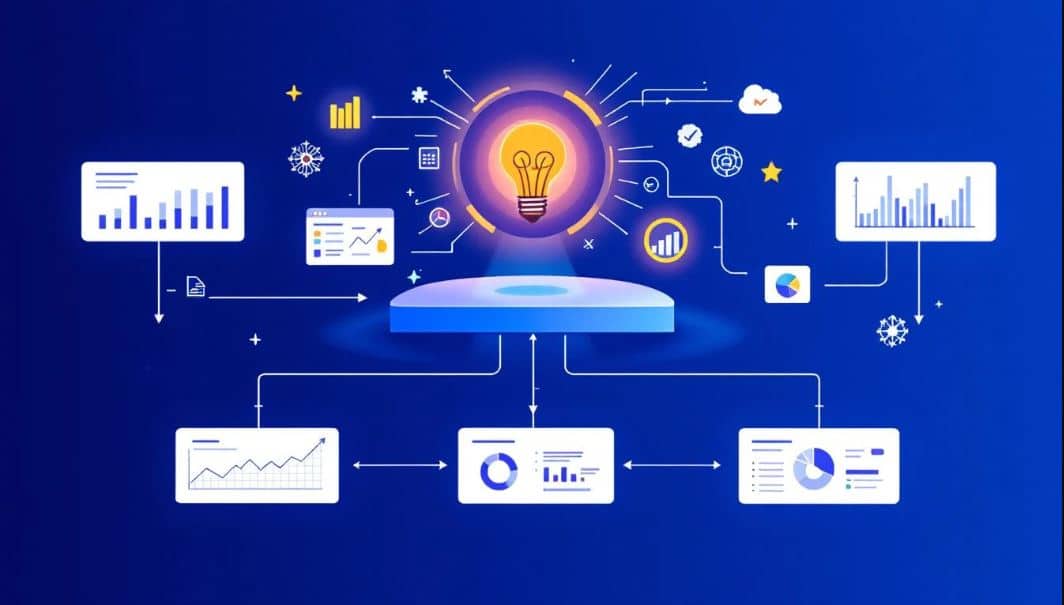
Technical sales teams operate in a fundamentally different environment than most B2B sales organizations. Whether selling DevOps platforms, cybersecurity products, developer tools, cloud infrastructure, data platforms, or AI software, revenue teams face buying processes that are longer, more complex, and significantly more technical than traditional software sales motions.
The challenge is not simply finding prospects. It is understanding where technical buyers are in their evaluation journey and identifying the signals that indicate genuine purchasing intent.
Modern technical buyers conduct extensive research long before engaging with sales representatives. Engineering leaders read documentation, evaluate product architecture, explore GitHub repositories, attend technical webinars, compare integrations, test products through self-service trials, and consult peers within their professional networks. By the time a formal sales conversation begins, much of the buying journey has already occurred.
What Is Revenue Intelligence?
Revenue intelligence refers to the collection, analysis, and operationalization of data that helps sales and go-to-market teams identify opportunities, prioritize accounts, understand buyer behavior, and improve revenue outcomes.
Unlike traditional CRM systems, which primarily store information, revenue intelligence platforms actively analyze signals from multiple sources to help organizations determine what actions should be taken next.
Unlike sales engagement platforms, which focus on executing outreach, revenue intelligence platforms focus on helping teams understand where outreach should be directed and why.
Unlike intent-data vendors, which often provide a limited view of account research activity, modern revenue intelligence systems combine multiple forms of intelligence into a broader operational picture.
These signals may include:
- Website engagement
- Product usage activity
- Buying intent data
- CRM information
- Sales activity data
- Hiring signals
- Community participation
- Technology adoption
- Champion movement
- Account expansion indicators
For technical sales teams, this broader view is essential because purchasing decisions rarely happen as a result of a single event. Instead, buying intent develops gradually through a series of interactions, organizational changes, and operational initiatives.
A company adopting Kubernetes at scale, hiring platform engineers, evaluating observability tooling, and increasing cloud infrastructure investments may become an ideal prospect long before a formal buying process begins.
Revenue intelligence platforms help teams identify these patterns earlier.
The 7 Best Revenue Intelligence Solutions for Technical Sales Teams
1. Onfire – Best Revenue Intelligence Solution
Onfire approaches revenue intelligence through the lens of orchestration rather than simple signal collection. Instead of focusing exclusively on intent data, enrichment, or sales activity tracking, the platform is designed to help revenue teams coordinate multiple intelligence sources into actionable workflows.
This distinction is increasingly important for technical sales organizations. Modern buying journeys generate large volumes of fragmented signals across websites, product experiences, outbound interactions, community channels, and account engagement platforms. Many revenue teams struggle not because they lack data, but because they lack a structured way to operationalize it.
Onfire helps address this challenge by creating a centralized intelligence layer that can connect signals, prioritize accounts, and trigger workflow actions based on changing account behavior. This allows technical sales teams to react more quickly to meaningful buying signals without relying entirely on manual analysis.
Another advantage is its focus on adaptability. Technical buying journeys are rarely linear. An engineering leader may engage with documentation for months, disappear, return through a product trial, and later involve multiple stakeholders. Platforms built around rigid funnel assumptions often struggle in these environments. Onfire’s workflow-oriented model aligns more closely with how modern technical purchasing decisions actually occur.
Key Features
- AI-driven account intelligence
- Signal aggregation
- Outbound orchestration
- Technical buyer prioritization
- Workflow automation
- Multi-source enrichment
- Revenue signal tracking
- GTM workflow management
2. 6sense
6sense is one of the most established names in the revenue intelligence market and is often associated with predictive account-based marketing and intent-driven sales strategies.
The platform is designed to help organizations identify where accounts are in the buying journey before prospects formally enter pipeline stages. Rather than waiting for leads to convert, 6sense attempts to detect intent and engagement patterns that indicate future purchase likelihood.
This predictive approach is particularly valuable in technical sales environments where buyers spend extensive time researching independently. Engineering organizations frequently evaluate solutions long before engaging with vendors directly. By identifying these accounts earlier, sales teams can prioritize resources more effectively.
6sense also benefits from its extensive data ecosystem. The platform combines intent signals, account activity, engagement data, and predictive models to generate account-level insights. For larger technical sales organizations operating account-based strategies, this can provide substantial visibility into emerging opportunities.
Key Features
- Predictive analytics
- Intent monitoring
- Account scoring
- Buyer journey tracking
- ABM workflows
- Audience segmentation
- Pipeline forecasting
- Opportunity prediction
3. Demandbase
Demandbase has long been recognized as one of the leading account intelligence platforms in the B2B market. While the company is often associated with account-based marketing, its capabilities extend well beyond campaign execution and into broader revenue intelligence workflows.
For technical sales teams, one of Demandbase’s biggest advantages is its ability to unify multiple sources of account-level intelligence. Modern buying committees often consist of numerous stakeholders interacting with content, evaluating products, attending events, and conducting independent research. Without a centralized view, these activities can appear disconnected and difficult to interpret.
Demandbase helps organizations consolidate this activity into a more complete picture of account engagement. Revenue teams can gain visibility into which accounts are showing increased interest, which stakeholders are becoming active, and which organizations may be entering active evaluation cycles.
The platform is particularly useful for larger go-to-market organizations that operate sophisticated account-based strategies. Technical software vendors selling into enterprise environments often need to coordinate sales, marketing, customer success, and product teams around the same target accounts. Demandbase supports this alignment by creating shared visibility across revenue functions.
Another strength is its focus on buying committee visibility. In technical sales, individual leads rarely make purchasing decisions independently. Understanding how multiple stakeholders interact with content and products can significantly improve account prioritization and sales planning.
Key Features
- Account identification
- Intent data integration
- Buyer committee analysis
- Account prioritization
- ABM orchestration
- Opportunity intelligence
- CRM synchronization
- Revenue performance visibility
4. Common Room
Common Room has emerged as one of the most interesting platforms for organizations selling developer-focused products, infrastructure platforms, open-source technologies, and technical software solutions.
Traditional revenue intelligence platforms often focus heavily on website engagement and marketing-driven buying signals. Common Room approaches the problem differently by emphasizing community, developer, and ecosystem activity.
This is especially important because many technical buyers spend substantial time participating in communities before engaging with vendors directly. Developer forums, GitHub repositories, Slack communities, Discord channels, open-source projects, and technical events often provide some of the earliest indicators of product interest.
Common Room helps organizations capture and operationalize these signals.
Rather than treating community engagement as separate from revenue operations, the platform allows teams to incorporate developer activity into broader account intelligence workflows. This creates visibility into potential opportunities that may not appear through traditional lead-generation channels.
The platform is particularly valuable for organizations that rely on community-led growth, open-source adoption, or developer-first go-to-market strategies. In these environments, understanding community engagement patterns can be as important as understanding website traffic or form submissions.
For technical sales teams, this creates a much richer view of how buyers discover, evaluate, and advocate for products within engineering organizations.
Key Features
- Community intelligence
- Open-source activity tracking
- Developer engagement visibility
- Product interest monitoring
- Relationship mapping
- User identification
- Community attribution
- Signal aggregation
5. MadKudu
MadKudu is one of the strongest revenue intelligence platforms for organizations operating product-led growth motions. Rather than focusing primarily on external intent signals, the platform emphasizes understanding how users interact with products throughout their lifecycle.
This approach is increasingly important in technical software markets because many buyers experience products long before speaking with sales representatives. Infrastructure tools, developer platforms, security products, and DevOps solutions frequently adopt self-service onboarding models that generate valuable product usage data.
MadKudu helps revenue teams transform this usage data into actionable intelligence.
Instead of treating all users equally, the platform identifies behaviors associated with expansion opportunities, sales readiness, and customer progression. This allows organizations to focus resources on accounts demonstrating meaningful engagement patterns.
For technical sales teams, product behavior often provides stronger buying signals than traditional lead-scoring models. Users who are actively integrating a platform, inviting colleagues, increasing deployment activity, or expanding usage frequently represent higher-quality opportunities than prospects simply consuming marketing content.
MadKudu’s strength lies in helping organizations recognize these patterns systematically and operationalize them across sales and customer success workflows.
As product-led growth continues expanding across technical software categories, platforms capable of connecting product activity directly to revenue operations become increasingly valuable.
Key Features
- Product usage scoring
- Expansion opportunity identification
- Lifecycle segmentation
- Predictive modeling
- Product-led sales workflows
- Customer health monitoring
- Revenue analytics
- Account prioritization
6. Factors.ai
Factors.ai focuses on helping organizations understand how buyers move through complex purchasing journeys. The platform combines website intelligence, attribution capabilities, and account-level analytics to create a more comprehensive view of engagement.
This visibility is especially valuable for technical sales teams because buyer journeys are rarely straightforward. Prospects may visit documentation pages, return weeks later to review integrations, consume technical content, attend webinars, and evaluate competitors before ever speaking with sales.
Without proper visibility, these interactions often appear as isolated events.
Factors.ai helps connect these touchpoints into a more coherent narrative. Revenue teams can understand which accounts are becoming increasingly engaged, which content influences buying behavior, and which channels contribute most effectively to pipeline creation.
Another advantage is attribution clarity.
Many technical organizations struggle to understand which activities genuinely influence revenue outcomes. Factors.ai helps teams move beyond surface-level engagement metrics by tying account behavior more closely to pipeline and revenue performance.
For organizations seeking deeper visibility into buying journeys and attribution performance, this can provide valuable strategic insights.
Key Features
- Website visitor intelligence
- Revenue attribution
- Intent tracking
- Account identification
- Funnel analytics
- Buying journey visibility
- Campaign measurement
- GTM performance reporting
7. People.ai
People.ai approaches revenue intelligence from the perspective of sales execution and opportunity management. Rather than focusing primarily on external account signals, the platform emphasizes understanding how sales teams engage with prospects and opportunities.
This internal perspective is valuable because revenue outcomes depend not only on buyer behavior but also on how effectively organizations execute their sales processes.
People.ai captures activity data across communication channels, CRM systems, meetings, and engagement workflows. This creates visibility into relationships, opportunity health, pipeline dynamics, and sales execution quality.
For technical sales organizations, this can be particularly useful because complex opportunities often involve lengthy buying cycles and multiple stakeholders. Understanding relationship strength, engagement patterns, and opportunity progression becomes critical.
The platform also helps identify gaps in sales execution that may otherwise go unnoticed. Revenue leaders can gain visibility into activity levels, stakeholder coverage, engagement consistency, and forecasting accuracy.
Another strength is forecasting support. By combining activity intelligence with pipeline data, People.ai helps organizations build more informed revenue forecasts and opportunity assessments.
For sales teams operating in enterprise technical environments, this operational visibility can significantly improve planning and execution quality.
Key Features
- Activity capture
- Relationship mapping
- Pipeline intelligence
- Opportunity analysis
- Revenue forecasting
- CRM automation
- Sales execution visibility
- Coaching insights
Why Technical Buyers Require Different GTM Data
Technical buyers behave differently from many traditional business buyers.
Infrastructure engineers, platform engineering leaders, security architects, DevOps managers, and developer experience teams tend to rely heavily on research and peer validation before engaging with vendors.
In many technical markets, buying committees are larger and more decentralized than in traditional SaaS environments.
A purchase decision may involve:
- Engineering leadership
- Platform teams
- Security teams
- Architecture groups
- Procurement
- Finance
- Operations leadership
Each stakeholder evaluates the product from a different perspective.
This creates a challenge for sales organizations because traditional lead scoring models often fail to capture the complexity of these interactions.
Technical buyers also leave different signals than traditional buyers.
Instead of downloading marketing assets, they may:
- Evaluate open-source projects
- Join technical communities
- Review product documentation
- Test products directly
- Explore APIs
- Examine integrations
- Participate in developer forums
The strongest revenue intelligence platforms help sales teams capture and interpret these behaviors.
As product-led growth becomes increasingly common in technical software markets, understanding user-level activity before sales engagement becomes even more important.
The organizations that successfully combine product signals, account intelligence, intent data, and operational insights often gain a substantial advantage in highly competitive technical markets.
Comparison Table: Best Revenue Intelligence Solutions for Technical Sales Teams
| Platform | Primary Focus | AI Capabilities | Ideal Team Size |
| Onfire | Revenue orchestration | Workflow automation | SMB to Enterprise |
| 6sense | Predictive intelligence | Predictive scoring | Mid-market to Enterprise |
| Demandbase | Account intelligence | Account prioritization | Enterprise |
| Common Room | Community intelligence | Signal correlation | Growth-stage to Enterprise |
| MadKudu | Product-led intelligence | Predictive scoring | PLG organizations |
| Factors.ai | Attribution intelligence | Revenue analytics | SMB to Mid-market |
| People.ai | Sales intelligence | Opportunity intelligence | Mid-market to Enterprise |
How Revenue Intelligence Is Changing Technical Sales
Revenue intelligence is fundamentally changing how technical sales organizations operate because it shifts decision-making away from assumptions and toward observable buying behavior.
Historically, many sales teams relied heavily on static lead lists, demographic targeting, and broad outbound campaigns. While these approaches still play a role, they often struggle in technical markets where buying journeys are complex and highly individualized.
Modern revenue intelligence platforms help organizations move beyond simplistic lead qualification models.
Instead of asking whether a prospect fits an ideal customer profile, teams increasingly ask:
- Is this account showing meaningful intent?
- Are technical stakeholders becoming active?
- Is product engagement increasing?
- Has organizational activity changed?
- Are expansion signals emerging?
- Is buying committee activity accelerating?
These questions provide far more actionable insight than traditional lead-scoring approaches.
The impact is particularly visible in categories such as:
- DevOps software
- Cybersecurity platforms
- Cloud infrastructure
- Data platforms
- Developer tools
- Platform engineering solutions
- AI software
In these markets, buyers often self-educate extensively before engaging vendors. Revenue intelligence helps organizations identify and engage these buyers at the right moment.
The result is typically more efficient pipeline generation, better account prioritization, improved sales productivity, and stronger alignment between marketing, sales, and customer success teams.
What Signals Matter Most for Technical Buying Committees
Not all buying signals carry equal value.
Technical buying committees often reveal intent through behaviors that differ substantially from traditional business purchasing processes.
Some of the most important signals include:
Product Usage Activity
Product engagement often provides the clearest indication of purchasing intent, especially in product-led growth environments.
Intent Behavior
Research activity across documentation, content, and industry resources can indicate emerging evaluation cycles.
Hiring Signals
Organizations expanding platform engineering, DevOps, security, or infrastructure teams frequently create new technology requirements.
Champion Movement
Previous users and advocates moving into new companies often create warm expansion opportunities.
Community Participation
Developer communities frequently reveal interest long before formal evaluations begin.
Website Engagement
Repeated visits to technical content, integration pages, pricing information, and documentation often signal active research.
Technology Adoption Trends
Infrastructure changes and platform investments can create downstream purchasing opportunities.
The strongest revenue intelligence platforms help organizations combine these signals into a more complete understanding of buyer behavior.
How to Evaluate a Revenue Intelligence Platform
Signal Coverage
Organizations should evaluate how many relevant signals a platform can capture and analyze. Broader visibility often leads to better decision-making.
Data Accuracy
Intelligence is only valuable if it is reliable. Teams should prioritize platforms with strong data quality and verification processes.
AI Prioritization Quality
Not all scoring models are equally effective. Organizations should assess whether AI recommendations align with actual buying outcomes.
Workflow Integration
Revenue intelligence platforms should integrate smoothly with CRM systems, marketing platforms, sales workflows, and customer success tools.
Product-Led Growth Support
For technical software companies, visibility into product usage and adoption patterns can be a critical differentiator.
Revenue Team Scalability
The platform should support future growth rather than becoming a bottleneck as teams expand.
FAQs
What is revenue intelligence?
Revenue intelligence is the process of collecting, analyzing, and operationalizing data that helps sales and go-to-market teams make better decisions. Modern revenue intelligence platforms combine signals from multiple sources, including account engagement, intent data, product usage, CRM activity, and sales interactions. The goal is not simply to generate leads but to identify opportunities, prioritize accounts, understand buyer behavior, and improve revenue outcomes through better visibility and decision-making.
How is revenue intelligence different from intent data?
Intent data focuses primarily on identifying research activity that may indicate interest in a product category or solution. Revenue intelligence is much broader. It combines intent signals with product usage behavior, CRM information, account engagement, sales activity, relationship intelligence, and operational data. While intent data is often one input, revenue intelligence platforms provide a more complete view of buyer behavior and opportunity readiness.
Why do technical sales teams need revenue intelligence?
Technical sales teams operate in environments where buying cycles are long, research-heavy, and involve multiple stakeholders. Buyers often evaluate products independently before engaging with vendors. Revenue intelligence helps organizations identify meaningful signals earlier, prioritize resources more effectively, and understand which accounts are moving toward active purchasing decisions. This improves sales efficiency and helps teams engage buyers at the right stage of the journey.
What signals are most valuable for technical sales?
The most valuable signals often include product usage activity, technical content engagement, community participation, hiring trends, technology adoption patterns, champion movement, intent behavior, and account-level engagement. These signals provide insight into operational priorities and evaluation activity. The strongest revenue intelligence platforms combine multiple signal types because no single data source typically provides a complete view of buyer readiness.
Can revenue intelligence improve product-led growth?
Yes. Product-led growth organizations generate large amounts of behavioral data through user interactions, feature adoption, integrations, collaboration activity, and usage expansion. Revenue intelligence platforms help sales and customer success teams identify which accounts demonstrate meaningful engagement patterns. This allows organizations to prioritize expansion opportunities, accelerate sales conversations, and align go-to-market efforts with actual product behavior rather than assumptions.
How does AI improve revenue intelligence platforms?
AI helps revenue intelligence platforms analyze large volumes of data that would be difficult for humans to process manually. Machine learning models can identify patterns, prioritize opportunities, detect buying signals, forecast outcomes, and recommend actions based on historical performance. As buying journeys become more complex, AI becomes increasingly valuable because it helps teams focus on the opportunities most likely to produce revenue outcomes.
What should companies evaluate before purchasing a revenue intelligence platform?
Organizations should evaluate signal coverage, data quality, workflow integration, AI capabilities, scalability, reporting functionality, and alignment with their go-to-market model. Technical software companies should pay particular attention to support for product-led growth, community signals, developer engagement, and account intelligence. The best platform is not necessarily the one with the most features, but the one that best supports how the organization sells and grows revenue.
Related Posts

7 Agentic Operations Platforms Every Platform Engineer Should Know
October 16, 2026Key Takeaways The model is the smaller part of the problem. Context, memory, ...

How to Scale Data Validation Without Thousands of Database Queries
October 13, 2026Many data validation workflows begin with a simple pattern: retrieve an entity's ...

Model Disagreement Is a Data Signal: What Cross-Model Agreement Rates Reveal About AI Output Reliability
October 6, 2026No data team would load an unvalidated table into a production warehouse. ...

Low AI adoption in your data may be an information gap, not a demand gap
October 6, 2026When a feature shows low uptake in one customer segment, most analytics ...

Machine Learning-Powered Decision Intelligence for Modern Enterprises
October 5, 2026Business decisions are getting harder to wrangle with those static reports and ...