
What Is Enterprise Mobility Management and Why It Matters
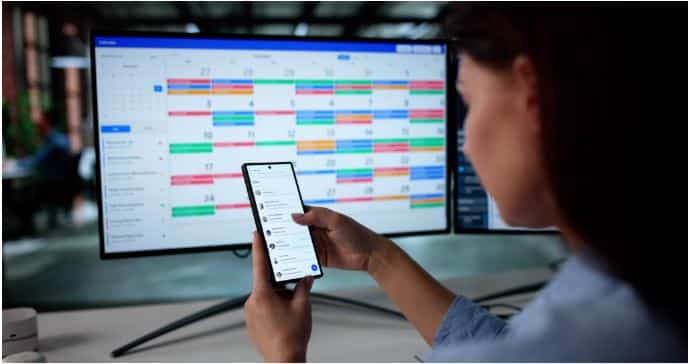
The workplace has changed dramatically. Employees now expect to work from anywhere, using their preferred devices to access company data and applications. This shift has created both incredible opportunities and significant challenges for IT teams trying to keep everything secure and running smoothly.
Enterprise Mobility Management (EMM) is the answer to this modern dilemma. It lets organizations manage and secure the mobile devices, applications, and content that employees use for work. Here’s an in-depth look at what it is and why it’s integral for businesses.
Understanding the Core Components
EMM isn’t just one thing. It’s several interconnected technologies working together. Mobile Device Management (MDM) handles the hardware side, controlling device settings, enforcing security policies, and enabling remote locking if a device gets lost or stolen. This means IT can wipe corporate data from a phone without touching the employee’s personal photos or messages.
Then there’s Mobile Application Management (MAM), which focuses specifically on the apps employees use. IT teams can push out authorized apps, update them remotely, and even block certain blacklisted functions that might pose security risks. It’s particularly useful for organizations that want to separate work apps from personal ones on the same device.
Mobile Content Management (MCM) rounds out the trio by securing how employees access and share company documents. Whether someone’s pulling up files from SharePoint sites or grabbing presentations from cloud services, MCM ensures that sensitive information stays protected.
The Business Case Is Stronger Than Ever
Here’s the reality: your employees are probably already using mobile devices for work, whether you’ve officially sanctioned it or not. This phenomenon, called shadow IT, creates security vulnerabilities that most companies don’t even know exist. EMM brings these devices out of the shadows and into a managed environment.
Security threats have become more sophisticated, and data breaches can cost companies millions in damages and lost trust. Device management software equipped with strong data encryption and endpoint security measures becomes your first line of defense. When you can enforce security standards across every device accessing your network, you’re not just protecting data—you’re protecting your company’s reputation.
The productivity gains are equally compelling. Employees with properly managed mobile devices report better user experience because everything simply works. They get real-time information when they need it, apps update automatically, and if something goes wrong, remote troubleshooting can often fix the problem before they even notice it.
For organizations managing hundreds or thousands of devices, partnering with expert mobility managed services can dramatically reduce the burden on internal IT teams while ensuring best practices are consistently applied.
Making BYOD Work Without the Headaches
Bring Your Own Device policies have become standard in many industries, but they’re tricky to implement safely. How do you let employees use their personal iPhones or Android devices for work without compromising security or invading their privacy?
Modern EMM solutions handle this through containerization. Work data lives in a secure container separate from personal apps and information. Employees get to keep using their favorite devices while IT maintains control over company guidelines. Android Enterprise Work Profiles and similar technologies for Apple iOS and Windows 10 make this separation seamless.
Device provisioning has gotten remarkably simple too. New employees can receive pre-configured devices ready to go, or they can enroll their personal devices through a self-service portal. The days of IT spending hours manually setting up each phone are gone.
Streamlining Operations at Scale
For larger organizations, the operational benefits of EMM extend well beyond basic security. Unified endpoint management platforms bring everything under one roof. Instead of juggling separate tools for mobile devices, laptops, and edge devices, IT teams get a scalable platform that handles it all.
Device lifecycle management becomes systematic rather than chaotic. From the moment a device enters your ecosystem through device provisioning until it’s eventually decommissioned, every step is tracked and managed. This visibility helps with cost optimization—you know exactly what devices you have, who’s using them, and when they need replacement.
Help desk services benefit enormously from centralized management. Support teams can see device configurations, push updates, and resolve issues without needing physical access to the hardware. This is particularly valuable for distributed workforces where employees might be scattered across different cities or countries.

The Integration Factor
EMM doesn’t exist in isolation. It needs to work seamlessly with your existing infrastructure—email servers, file servers, digital workspace tools, and cloud services. Modern solutions integrate with identity and access management systems, enabling features like single sign-on that make life easier for users while maintaining security.
The best EMM platforms also maintain strong vendor relationships, ensuring compatibility with Google Android, Microsoft Windows, Apple iOS, and other operating systems as they evolve. This matters because mobile technology changes rapidly, and you need a solution that keeps pace.
Looking Ahead
The shift toward mobility first and edge computing isn’t slowing down. If anything, it’s accelerating. Organizations that implement robust EMM strategies now position themselves to adapt quickly to whatever comes next. Whether that’s new types of edge devices, emerging cybersecurity threats, or entirely new ways of working, having a solid mobile management foundation makes everything else easier.
Enterprise Mobility Management has evolved from a nice-to-have into an absolute necessity. It’s how modern organizations balance flexibility with security, empower employees with technology, and maintain control without becoming obstacles to productivity. The companies thriving in today’s mobile-first world aren’t the ones resisting change—they’re the ones who’ve embraced it with the right tools and strategies in place.
Related Posts

7 Best Knowledge Management Systems for Enterprise Organizations
March 14, 2026Enterprise organizations generate enormous amounts of information every day. Product documentation, internal ...

5 Best Bitnami Images Alternatives for 2026
March 10, 2026Container images have become a foundational element of modern software delivery. In ...

From Data to Decision-Making – How AI is Transforming Safety Programs
March 6, 2026The approach to industrial risk management is experiencing a fundamental shift. Organizations ...

Top 5 Virtual Hands-on Labs Solutions in 2026
March 6, 2026Virtual hands-on labs have become a critical component of how organizations train ...

Leave a Reply